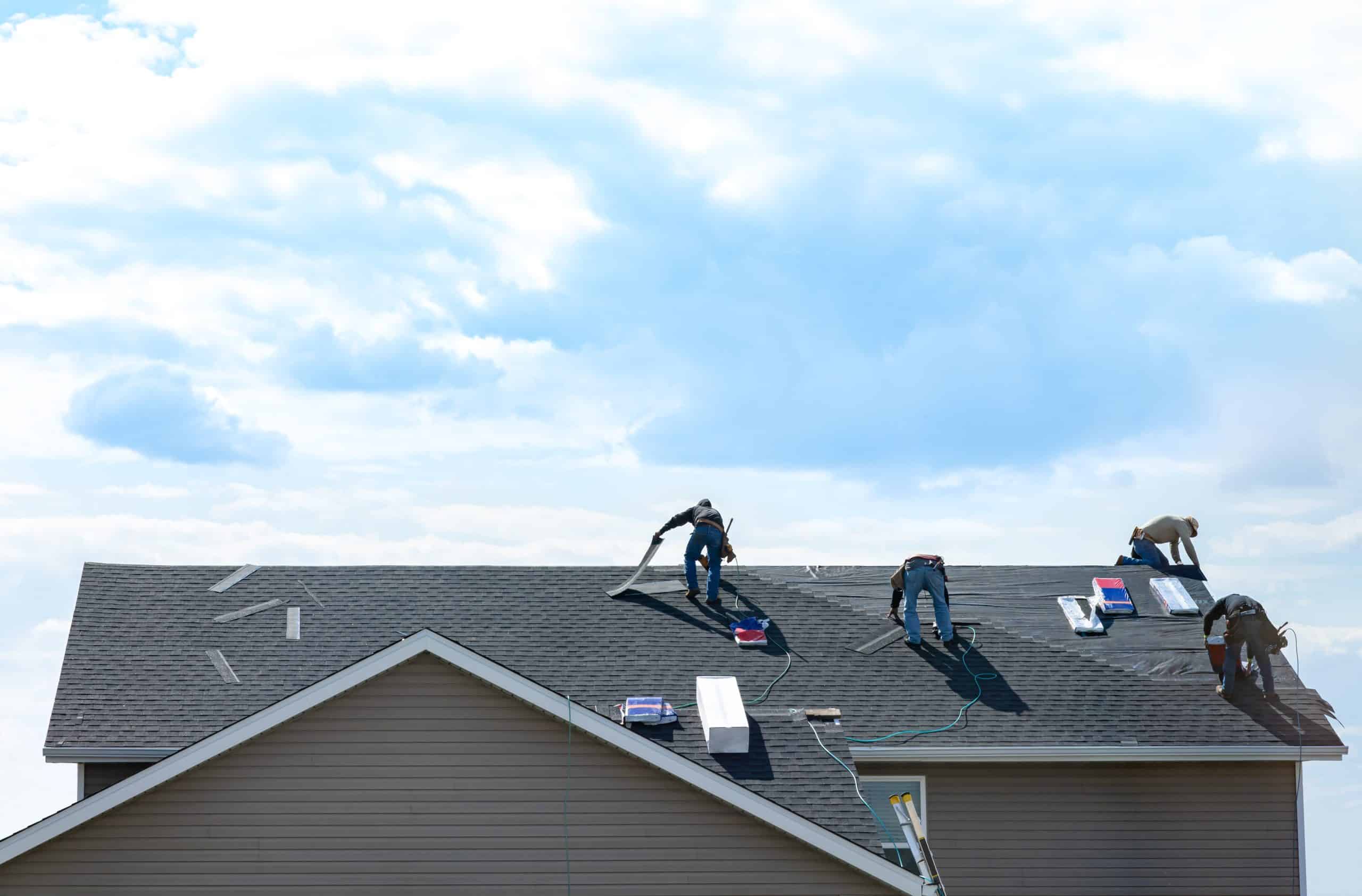
Discover how metal roofs protect your property from Michigan's most destructive weather while other roofing materials fail catastrophically.
Share:

Summary:
Metal roofing systems withstand wind speeds up to 140 mph when properly installed, far exceeding the 70-90 mph winds that strip asphalt shingles and damage traditional materials. Standing seam metal panels interlock mechanically, creating continuous protection that eliminates the individual failure points found in shingle systems. The concealed fastener design prevents wind uplift by securing panels directly to structural decking through thermal movement clips that accommodate expansion without loosening. During severe thunderstorms that generate straight-line winds and microbursts, metal panels flex slightly and return to their original position, while rigid materials crack or break completely. The aerodynamic profile of metal roofing creates minimal wind resistance, allowing air to flow smoothly across the surface rather than creating the uplift forces that tear away other materials. In Lenawee and Washtenaw Counties, where severe thunderstorm warnings occur 15-20 times annually, this wind resistance prevents the emergency repairs and insurance claims that plague properties with traditional roofing. Hamdan Quality Roofing installs metal systems using engineer-approved fastening schedules that exceed local building code requirements, providing extra safety margins during extreme weather events.

Metal roofing’s smooth surface allows snow and ice to shed naturally, preventing the dangerous accumulation that can exceed structural load limits. While other materials retain snow through surface friction and thermal retention, metal’s low-friction surface and thermal conductivity promote natural snow removal. This characteristic becomes critical during Michigan’s heavy snow events that can deposit 12-18 inches in 24 hours, creating loads of 15-25 pounds per square foot. Metal roofing also prevents ice dam formation through superior thermal performance that maintains consistent surface temperatures and eliminates the freeze-thaw cycles that create ice barriers.
Metal roofing withstands hail impacts up to 2.5 inches in diameter without sustaining functional damage, while asphalt shingles suffer granule loss and cracking from stones as small as 1 inch. The Class 4 impact rating achieved by many metal systems represents the highest available protection level, often qualifying for insurance discounts of 10-35%. During severe hailstorms that strike Lenawee and Washtenaw Counties 2-3 times annually, metal roofs protect your investment while other materials require expensive emergency repairs or complete replacement.
Want live answers?
Connect with a Hamdan Quality Roofing expert for fast, friendly support.
Metal roofing’s 40-70 year lifespan means it survives hundreds of severe weather events that would destroy multiple generations of traditional roofing materials. The Kynar 500 or similar fluoropolymer finishes resist UV degradation, preventing the brittleness that makes other materials vulnerable to weather damage over time. Galvalume steel substrates resist corrosion for 50+ years, maintaining structural integrity through decades of thermal cycling and moisture exposure. This durability becomes particularly valuable in Michigan’s climate, where annual temperature swings of 100+ degrees test material expansion and contraction limits repeatedly. While asphalt shingles become brittle after 10-15 years of thermal cycling, metal maintains its flexibility and impact resistance throughout its extended lifespan. The result is continuous protection that doesn’t degrade with age, eliminating the vulnerability periods that occur as traditional materials approach replacement time. Hamdan Quality Roofing’s metal installations use premium materials and proven techniques that maximize this longevity advantage, providing decades of worry-free protection.

Standing seam metal systems adapt effectively to low-slope and flat roof applications where traditional materials often fail under snow loads and thermal stress. The structural strength of metal decking combined with proper slope design creates drainage systems that handle Michigan’s heaviest precipitation events. Thermal movement accommodation prevents the buckling and membrane splitting that plague other flat roof materials during extreme temperature changes. These characteristics make metal roofing ideal for commercial applications where flat roof failure can disrupt business operations and create costly interior damage.
Metal roofing’s extreme weather performance depends on installation techniques that account for thermal movement, proper fastening schedules, and weatherproofing details. Thermal expansion clips allow panels to move freely during temperature changes without creating stress points that could lead to failure. Sealant application at penetrations and transitions must use compatible materials that maintain flexibility through temperature extremes. Hamdan Quality Roofing’s installation crews understand these critical details and use manufacturer-approved techniques that preserve warranty coverage while maximizing storm protection.
Michigan’s extreme weather will continue testing your roof’s limits year after year, and only metal roofing provides the strength and durability to withstand these forces without failure. While other materials succumb to wind, snow, and hail damage that creates expensive repairs and insurance claims, metal roofs deliver decades of reliable protection that actually strengthen your property value. In Lenawee and Washtenaw Counties, where severe weather strikes regularly; choosing metal roofing means choosing peace of mind. Contact Hamdan Quality Roofing today to protect your property with roofing that survives Michigan’s worst weather while others fail.
Article details:
Share:
Continue learning:
Hamdan Quality Roofing
Company
Support
Useful Links